What is Pool Rummy? 🤔
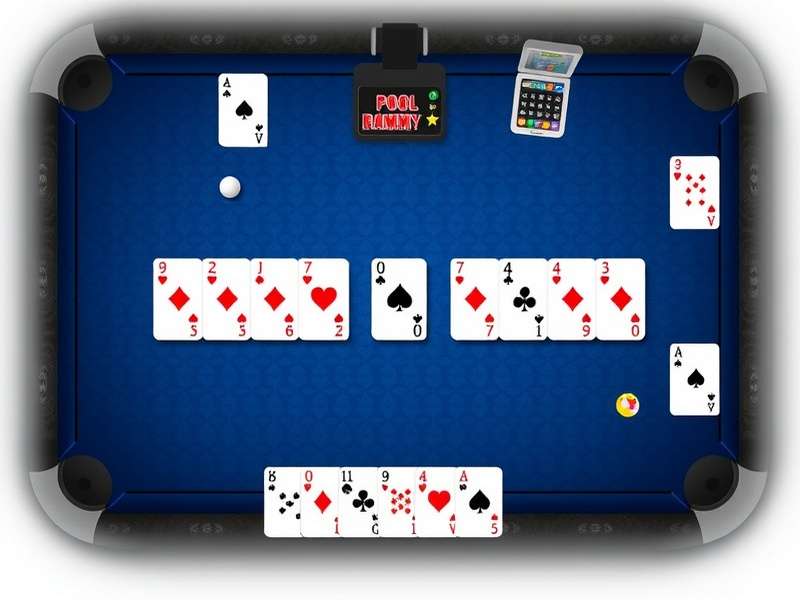
Pool Rummy is one of the most popular variations of the classic Indian Rummy card game. Unlike Points Rummy, which is a single game, Pool Rummy is played for a longer duration where players contribute to a common "pool" and play continues until only one player remains.
The game is typically played between 2 to 6 players using one or two standard decks of 52 cards plus printed jokers. The objective remains the same as other rummy variations - to arrange all your cards into valid sequences and sets.
Key Feature:Pool Rummy is known for its strategic depth and longer gameplay, making it a favorite among serious rummy enthusiasts in India.
In Pool Rummy, players are eliminated when they reach a predetermined points limit, typically 101 or 201 points. The last player remaining without reaching the points limit wins the entire pool amount after deducting the platform fee.
Why Pool Rummy is So Popular in India 🇮🇳
Skill-Based Game
Pool Rummy requires strategic thinking, memory, and calculation skills, making it more than just a game of chance.
Social Interaction
Traditionally played during festivals and family gatherings, it strengthens social bonds.
Pool Rummy Rules & Gameplay 📋
Understanding the rules is crucial to mastering Pool Rummy. The game follows the basic principles of Indian Rummy with some specific variations that define the pool format.
Basic Rules
- Each player is dealt 13 cards
- Players must form at least two sequences, one of which must be pure
- The remaining cards can be arranged in sequences or sets
- A pure sequence is formed without using jokers
- Players take turns to draw and discard cards
Point Calculation
| Card Type | Points |
|---|---|
| Ace, King, Queen, Jack | 10 points each |
| Number Cards (2-10) | Face value |
| Jokers | 0 points |
| Invalid Declaration | 80 points |
Game Types: 101 vs 201 Pool Rummy
Pool Rummy is primarily played in two formats based on the points limit:
In 101 Pool Rummy, players are eliminated as soon as they reach 101 points. This format is faster and suitable for players who prefer quicker games.
- Faster gameplay
- Quick elimination
- Ideal for beginners
201 Pool Rummy allows players to accumulate up to 201 points before elimination. This format requires more strategy and patience.
- Longer gameplay
- More strategic depth
- Preferred by experienced players
Winning Strategies for Pool Rummy 🏆
Mastering Pool Rummy requires more than just understanding the rules. Implementing effective strategies can significantly improve your winning chances.
Focus on Pure Sequence First
Always prioritize forming a pure sequence early in the game as it's mandatory for a valid declaration and reduces your points if you lose.
Observe Opponents' Discards
Pay close attention to the cards your opponents pick and discard to understand their possible combinations and avoid giving them useful cards.
Use Jokers Wisely
Jokers are valuable assets. Use them to complete higher-point sets or sequences rather than wasting them on low-value combinations.
Calculate Probability
Keep track of which cards have been discarded to calculate the probability of getting the cards you need for your sequences and sets.
Manage High-Value Cards
Discard high-value cards (A, K, Q, J) early if they don't fit your sequences to minimize points in case another player declares.
Bluffing Tactics
Occasionally discard cards that might mislead opponents about your actual combinations, making them discard cards you actually need.
Pro Tip:In Pool Rummy, sometimes it's strategically better to focus on minimizing points rather than trying to declare first, especially when you have high-value cards.
Pool Rummy Variations & Formats 🔄
While the core rules of Pool Rummy remain consistent, several variations have emerged that add unique twists to the gameplay experience.
Deals Rummy
In Deals Rummy, a fixed number of deals are played, and the player with the maximum chips at the end of all deals wins the game. Each player gets a fixed number of chips at the start.
Points Rummy
This is a faster variant where each game is played for points that have a pre-decided rupee value. The winner wins all the cash at the end of each game.
Tournament Pool Rummy
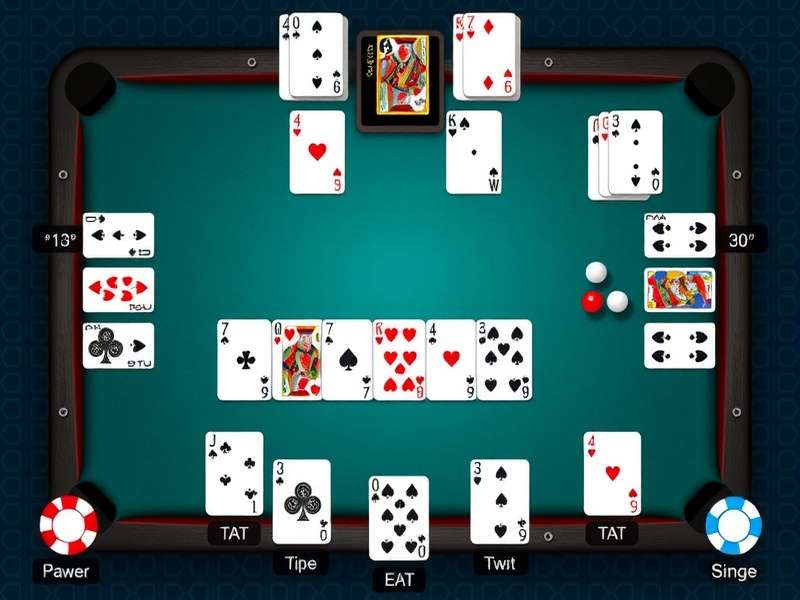
Many online platforms host Pool Rummy tournaments where thousands of players compete for substantial prize pools. These tournaments often have multiple rounds with increasing difficulty.
Comparison of Rummy Variations
| Variation | Game Duration | Skill Level | Popularity |
|---|---|---|---|
| Points Rummy | Short (5-10 mins) | Beginner | High |
| Deals Rummy | Medium (15-20 mins) | Intermediate | Medium |
| 101 Pool Rummy | Medium (20-30 mins) | Intermediate | High |
| 201 Pool Rummy | Long (30-60 mins) | Expert | Medium |