Game Overview
Spice Bazaaris an engaging strategy card game that transports players to the bustling markets of India, where they compete to become the most successful spice merchant. This game beautifully blends traditional Indian culture with modern gameplay mechanics, creating an immersive experience that appeals to both casual players and serious strategists.
Key Insight:TheSpice Bazaargame captures the essence of Indian commerce while teaching players about the historical significance of the spice trade that shaped world economies for centuries.
Set against the backdrop of a traditional Indian marketplace, players assume the roles of spice merchants navigating the complex world of buying, selling, and trading precious commodities. The game incorporates authentic elements of Indian culture, from the vibrant color palette to the traditional music and artwork that adorn the cards and playing board.
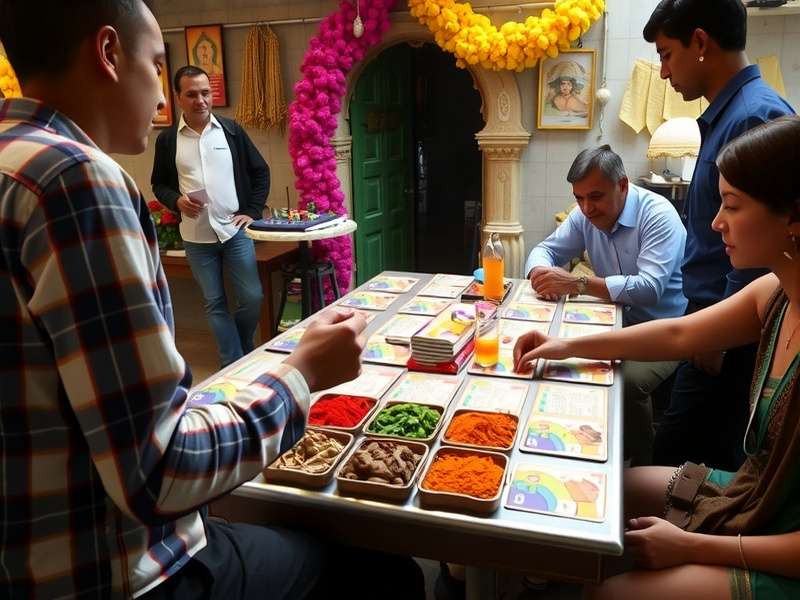
What setsSpice Bazaarapart from other trading games is its attention to cultural authenticity and strategic depth. Each decision impacts your standing in the market, and players must carefully balance short-term gains with long-term strategy to emerge victorious.
Gameplay Mechanics
The core gameplay ofSpice Bazaarrevolves around collecting, trading, and selling various spices to earn rupees and prestige. Each game session typically lasts 45-60 minutes and accommodates 2-5 players, making it perfect for family game nights or competitive gatherings.
Turn Structure
Each turn consists of three phases: Market Phase where players can buy spices at current prices, Trade Phase allowing player-to-player exchanges, and Sell Phase where spices can be converted to victory points.
Market Dynamics
The spice market fluctuates based on player actions and event cards, creating a dynamic economy where timing your purchases and sales is crucial to maximizing profits.
Trading System
Players can negotiate trades with each other, employing bluffing, persuasion, and strategic thinking to acquire the spices they need while offloading less valuable commodities.
Victory Conditions
Victory is achieved by accumulating the most prestige points through successful trades, completing spice sets, and fulfilling special objective cards that represent business achievements.
The game incorporates a unique supply and demand mechanism where the value of each spice changes throughout the game based on availability and player actions. This creates an engaging economic simulation that rewards careful observation and strategic planning.
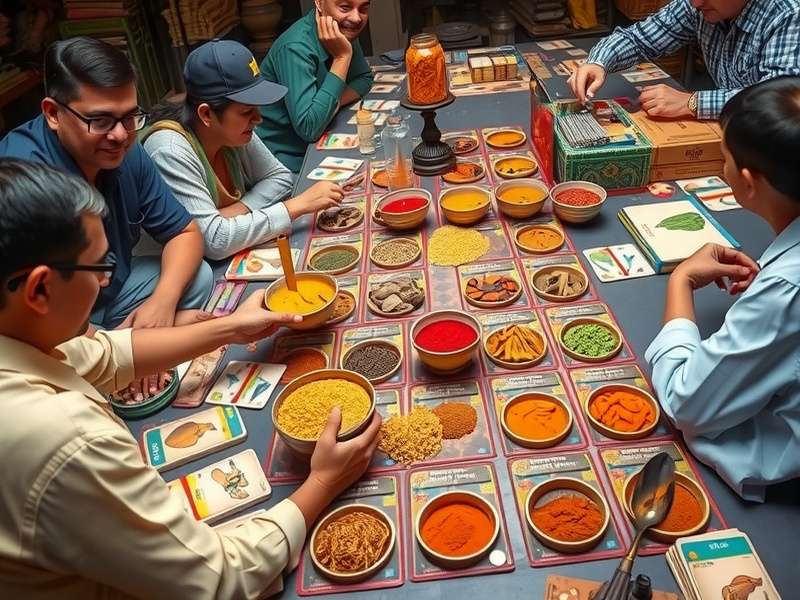
Special event cards introduce unexpected market conditions, from monsoons that disrupt supply routes to festivals that increase demand for certain spices. These elements ensure that no two games ofSpice Bazaarplay out exactly the same way, providing high replay value.
Spices of India
At the heart ofSpice Bazaarare the authentic Indian spices that players trade. Each spice has unique properties, historical significance, and strategic value within the game economy.
Premium Spices
Saffron, known as "red gold," is the most valuable spice in the game, representing the historical significance of Kashmir's saffron trade. Its scarcity and high value make it a prized possession for any merchant in theSpice Bazaar.
Cardamom, often called the "queen of spices," plays a crucial role in both sweet and savory Indian dishes. In the game, it serves as a versatile trading commodity that can be used in multiple spice combinations.
Common Spices
Turmeric, with its vibrant yellow color and medicinal properties, serves as a stable foundation of the spice trade. Its consistent demand makes it a reliable, if not exceptionally profitable, trading commodity.
Cumin, coriander, and mustard seeds represent the workhorse spices of Indian cuisine. While less valuable individually, they become powerful when collected in sets or used to complete specific trading objectives.
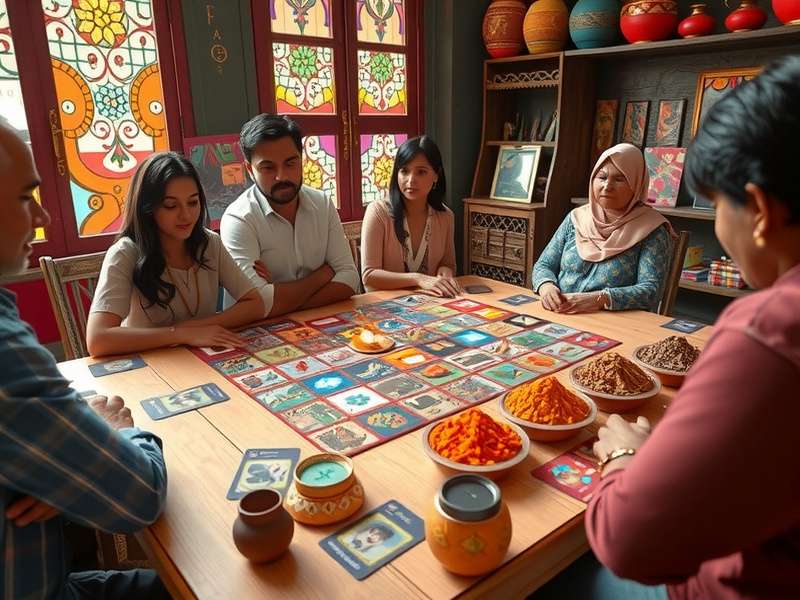
Understanding the properties and values of each spice is essential to masteringSpice Bazaar. The game includes detailed information about each spice's origin, uses, and historical significance, providing an educational component alongside the entertainment value.
Advanced Strategy
MasteringSpice Bazaarrequires more than just luck—it demands careful planning, market awareness, and strategic foresight. Successful players develop multiple approaches to the game based on their starting position and the actions of their opponents.
Market Manipulation
Experienced players learn to influence the market by strategically buying or holding certain spices to create artificial scarcity. This advanced technique can dramatically shift values in your favor but requires careful timing to avoid backfiring.
Set Collection
Focusing on completing specific spice sets can yield substantial bonus points. The game includes regional sets (spices from specific Indian regions) and culinary sets (spices used together in traditional dishes), each with different point values.
Pro Tip:InSpice Bazaar, sometimes the most profitable move is to sacrifice immediate gains for long-term positioning. Patience often rewards more than aggression in the spice trade.
Player Interaction
Successful negotiation and reading opponents' strategies are crucial skills. Learning when to cooperate with other players and when to compete aggressively can make the difference between victory and defeat in theSpice Bazaar.
The game also includes special merchant cards that provide unique abilities, from market insights that allow previewing upcoming cards to negotiation advantages that improve trade terms. Choosing which abilities to develop forms another layer of strategic depth.
Cultural Authenticity
Spice Bazaarstands out for its commitment to cultural authenticity and educational value. The game serves as a window into Indian traditions, market customs, and the historical significance of the spice trade.
Artistic Design
Every component of the game features artwork inspired by traditional Indian styles, from miniature paintings to textile patterns. The color palette draws from vibrant Indian festivals and regional aesthetics, creating a visually stunning experience.
Historical Accuracy
The game mechanics reflect actual historical trading practices from India's rich mercantile history. The inclusion of historical trade routes, traditional measurement systems, and authentic pricing structures adds educational depth.
Special "Cultural Insight" cards provide fascinating facts about Indian spices, their uses in traditional medicine and cuisine, and their impact on global trade throughout history. These elements transform the game into an engaging learning experience.
Cultural Treasure:Beyond entertainment,Spice Bazaarpreserves and shares important aspects of Indian cultural heritage, making it valuable for both Indian players seeking connection to their roots and international players interested in learning about Indian traditions.
Musical Elements
The game includes references to traditional Indian music, with card names and special abilities inspired by classical ragas and folk melodies. This subtle integration of musical culture enhances the immersive quality of theSpice Bazaarexperience.
From the design of the merchant tokens to the terminology used in the rulebook, every aspect of the game has been carefully crafted to respect and celebrate Indian culture while creating an engaging gameplay experience for players worldwide.