What is Dandiya Dance Fest? 🌟
TheDandiya Dance Festis one of India's most vibrant and energetic folk dance celebrations, traditionally performed during the nine-night Navratri festival. This spectacular event brings communities together in a colorful display of dance, music, and cultural heritage that has been passed down through generations.
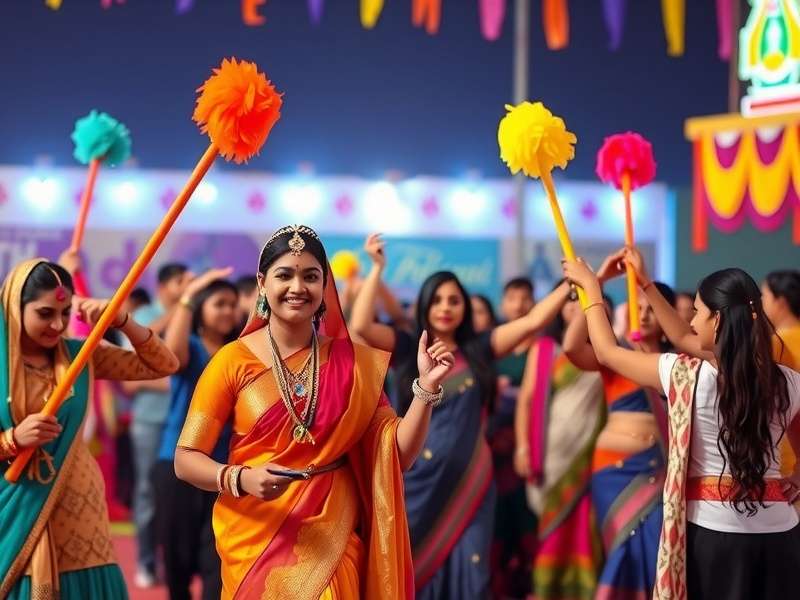
Characterized by the rhythmic striking of decorated sticks calleddandiyas, this dance form originated in Gujarat but has now gained international recognition. Participants form concentric circles and move in synchronized patterns, creating a mesmerizing visual spectacle accompanied by traditional folk music.
Historical Origins & Evolution 📜
Ancient Roots and Mythology
The origins ofDandiya Dance Festcan be traced back to ancient Indian mythology, particularly the legends surrounding Goddess Durga and her battle against the demon Mahishasura. The dance symbolizes the mock fight between the Goddess and the demon, with the dandiya sticks representing swords.
Historical records suggest that this dance form evolved from the martial practices of the Gujarat region, where villagers would practice stick fighting as a form of self-defense. Over time, these combat exercises transformed into a celebratory dance performed during harvest festivals and religious occasions.
Regional Development
While theDandiya Dance Festhas its strongest roots in Gujarat, different regions of India have developed their own variations. The Rajasthani version tends to be more vigorous, while the Saurashtra style emphasizes graceful movements. Each regional variation adds unique elements to the dance while maintaining the core principles.
Traditional Rituals & Practices 🙏
Pre-Festival Preparations
TheDandiya Dance Festbegins with elaborate preparations that start weeks in advance. Homes are cleaned and decorated, traditional attire is prepared, and communities build temporary stages and dance floors called 'raas mandaps' in open spaces or community halls.
The ritual commencement involves the 'Ghatasthapana' ceremony where a sacred pot symbolizing Goddess Durga is installed and worshipped for the nine days of Navratri. This pot becomes the focal point around which the initial dances are performed each evening.
Daily Rituals and Dance Sequence
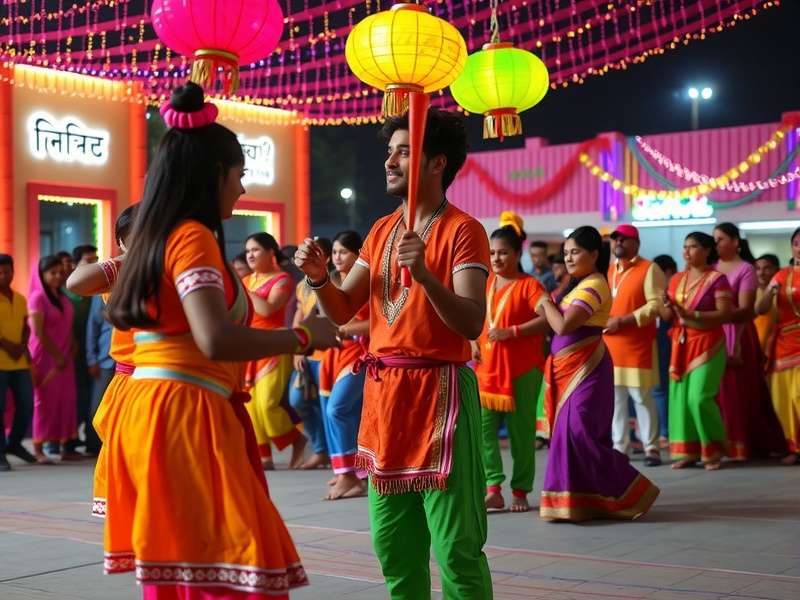
Each evening of theDandiya Dance Festfollows a structured sequence beginning with prayers and offerings to the deities. The dance typically starts with slower tempo songs and gradually builds up to faster, more energetic rhythms as the night progresses.
Evening Prayers
Traditional aarti and devotional songs mark the beginning
Circle Formation
Dancers form concentric circles moving in opposite directions
Rhythmic Beats
Live music with dhol, harmonium, and traditional instruments
Cultural Significance & Symbolism 🌍
Social Harmony and Community Bonding
TheDandiya Dance Festserves as a powerful tool for social cohesion, bringing together people from different backgrounds, ages, and social statuses. The circular formation eliminates hierarchies, with everyone participating as equals in the celebration.
This festival strengthens community bonds as neighbors, friends, and families come together to celebrate. It provides a platform for intergenerational exchange, where elders pass down traditions to younger participants, ensuring cultural continuity.
Spiritual and Philosophical Dimensions
Beyond its entertainment value, theDandiya Dance Festcarries deep spiritual significance. The dance represents the eternal battle between good and evil, with the rhythmic striking of sticks symbolizing the destruction of negative tendencies and the triumph of divine energy.
The circular movements reflect the cosmic dance of creation, preservation, and destruction - fundamental concepts in Hindu philosophy. Each step and gesture has symbolic meaning, connecting participants to ancient wisdom while celebrating in the present moment.
Modern Evolution & Global Reach 🌐
Fusion and Contemporary Interpretations
In recent years, theDandiya Dance Festhas evolved to incorporate contemporary elements while preserving its traditional core. Modern adaptations include fusion music blending traditional folk with electronic, pop, and Bollywood influences, attracting younger participants to this ancient art form.
Professional choreographers have created innovative dance sequences that maintain traditional steps while adding modern flair. Costume designers experiment with fabrics and designs, creating attire that honors tradition while appealing to contemporary aesthetics.
International Recognition and Celebration
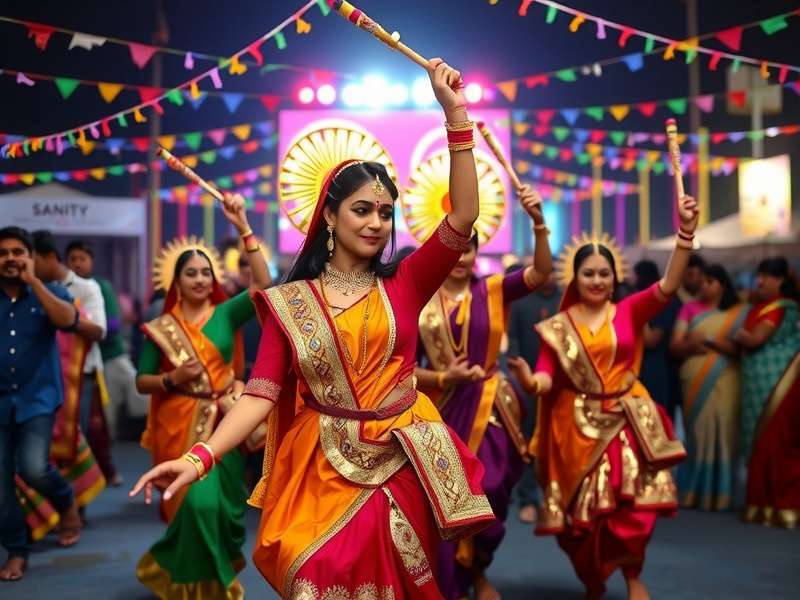
The global Indian diaspora has carried theDandiya Dance Festto every corner of the world. Major cities across North America, Europe, and Asia now host large-scale Dandiya events during Navratri, often attracting participants from diverse cultural backgrounds.
Global Impact
- Celebrated in over 50 countries worldwide
- Featured in international cultural festivals
- Recognized by UNESCO as intangible cultural heritage
Modern Innovations
- LED dandiya sticks with light effects
- Digital platforms for virtual participation
- Competitive Dandiya championships